

How to Rome
For more advice on visiting Rome, here’s an earlier article that has some of my absolute favorite, and still pretty unknown, places to go.
Every dog needs a Guest Experience Manager.
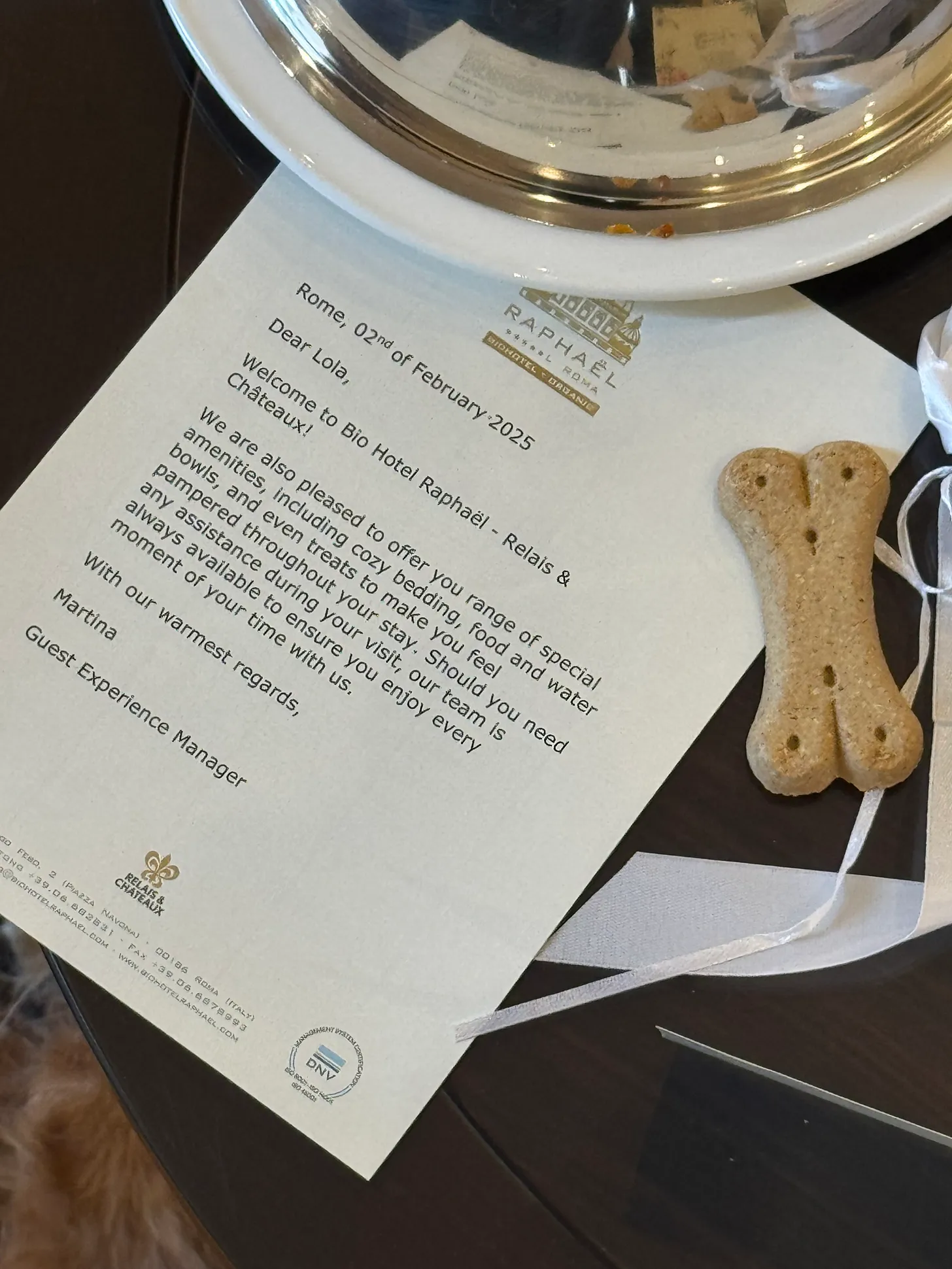
If you can visit Rome offseason, it’s a good thing. We went in February, and scored a fantastic rate at the Bio Hotel Raphaël-Relais & Châteaux. We felt almost guilty as we got the full Relais & Chateaux pampering—we had our dog, Lola, with us and she received a welcome package of homemade dog biscuits with a personalized welcome note from Martina, her very own “Guest Experience Manager”—at our very discounted price. Well, I didn’t feel that guilty.
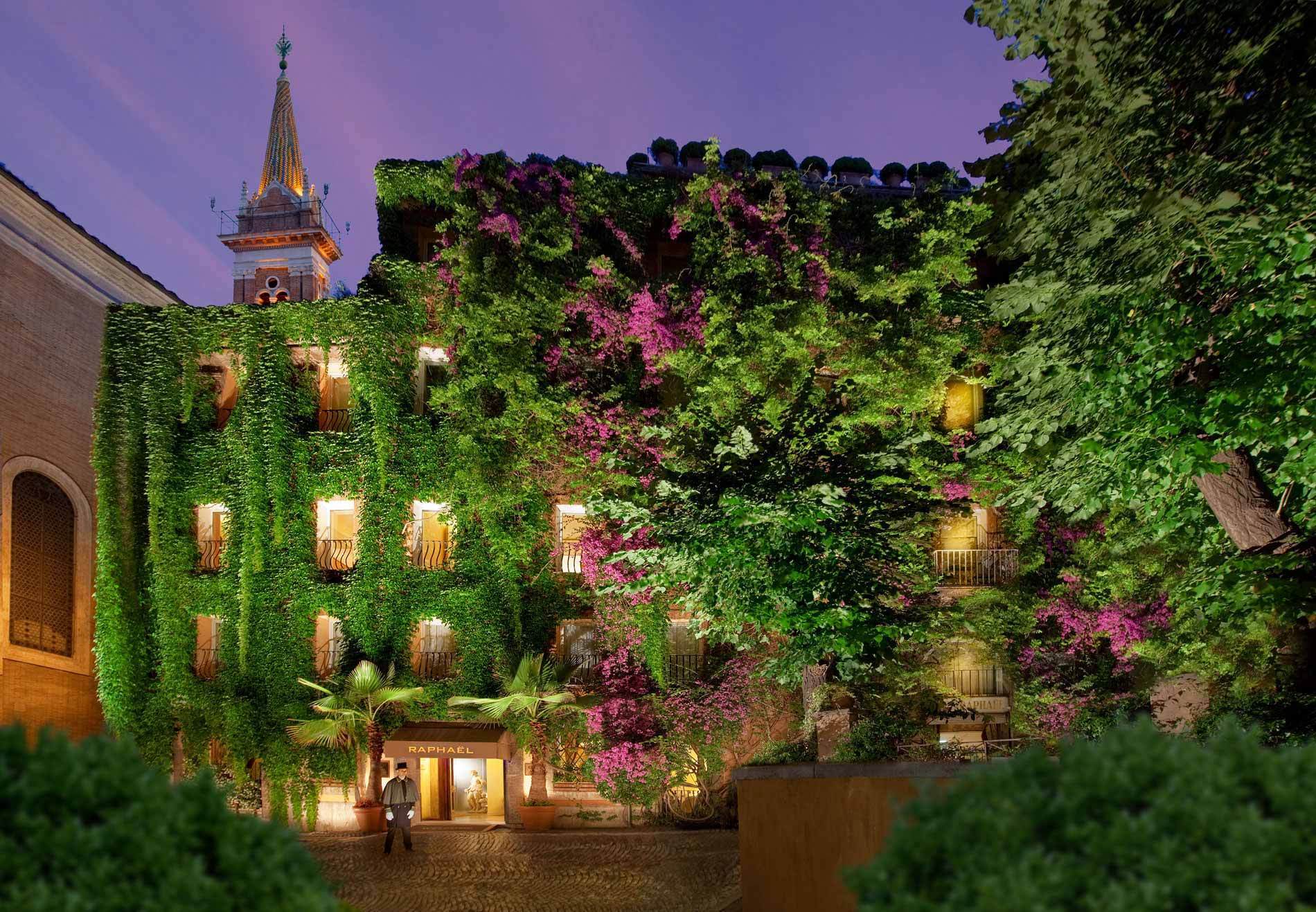
The hotel is tucked behind the Piazza Navona, which becomes even more stunning early in the morning or after dark. The hotel has a bar on the roof with some lovely views. We’d recommend this place. The location couldn’t be better. Except for maybe…
Innocent?
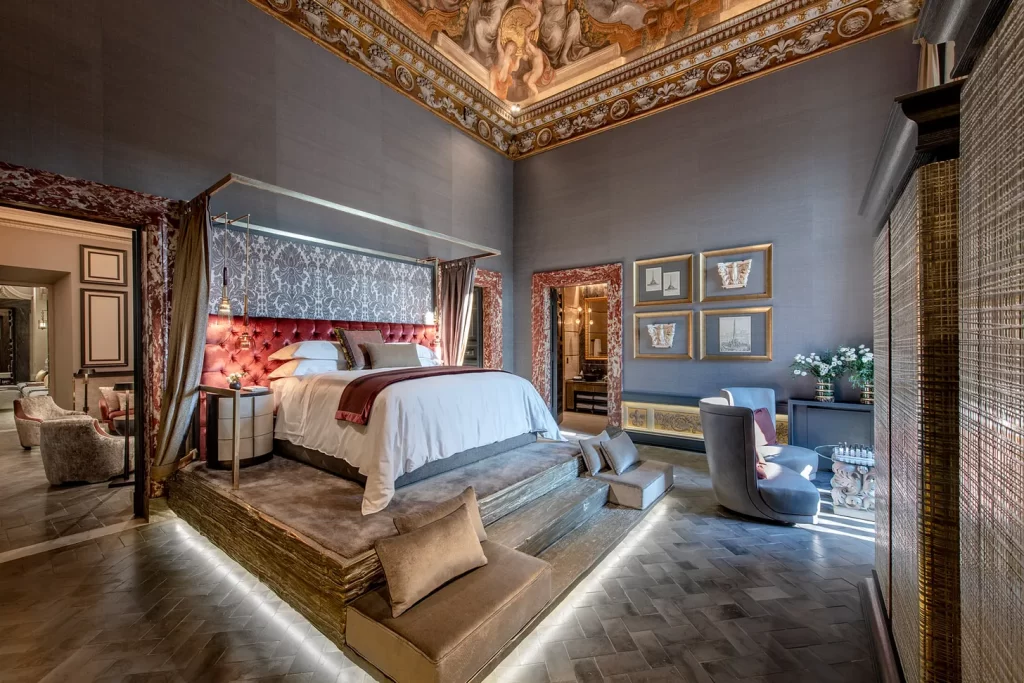
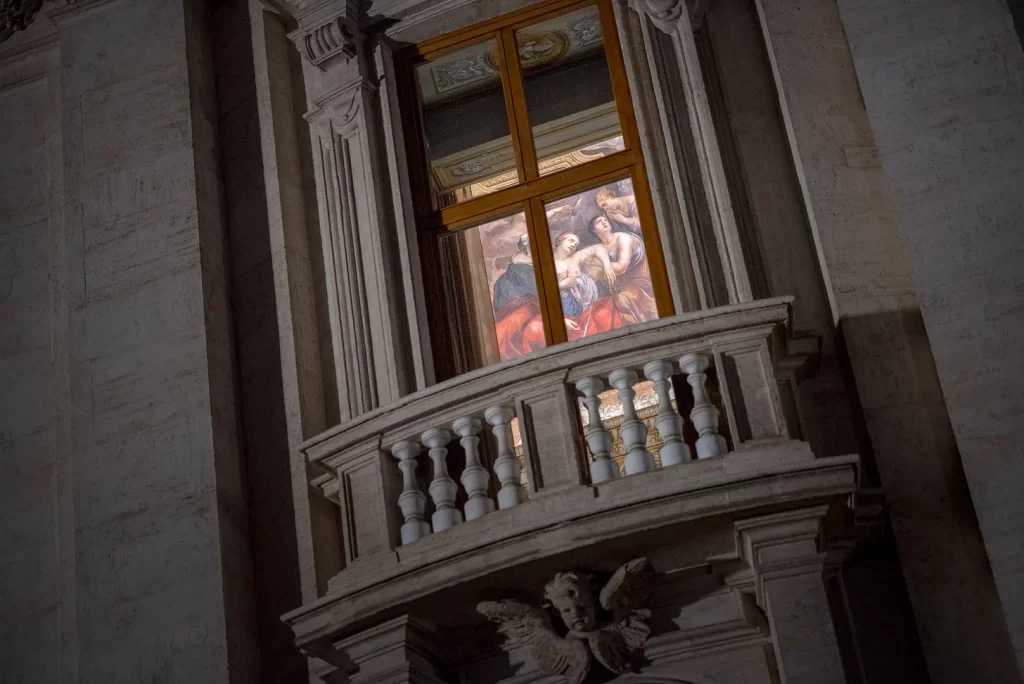
Any fans of Piazza Navona will remember the huge church, Sant’Agnese in Agone, that towers over the square and Bernini’s fountain. There are two balconies on either side of the entrance, and I want to share what’s inside for those of you who are voyeurs, like me, or have money to burn, unlike me. It has been called the ultimate Roman splurge, Holy Deer San Lorenzo City Lodge. It was Pope Innocent X’s digs and adjoins the church, which was very handy for old “Innocent”, who housed his mistress there, right at hand, so to speak. At nearly 4,000 square feet, with 26-foot high ceilings, and 15-foot high french doors leading to the balcony overlooking Piazza Navona, one is not going to feel cramped. Sebastian, our son, went to school with some Italian twins whose parents happen to own it. He got to tour it and was adequately impressed. I know what you want to ask—the price per night is well north of $12,000 (as of five years ago). And if anyone has already opened a tab finding out how to book, I have to ask, are you a paid subscriber to my Substack yet?
Back at ground level, in February, we scored a table in a restaurant I’ve always wanted to go to, Armando al Pantheon. You can only reserve online, and whenever I’ve tried they are always booked. This was also true in February, but we were walking by in the morning and I popped in and talked to the guy in the kitchen cutting artichokes. He told me we could have a table for lunch, Lola included. The restaurant opened in 1961, and the children and grandchildren of Armando still run it. It’s a bastion of traditional Roman cuisine. I ordered the cacio e pepe and it was up to the task. It looks like the decor has been untouched since the 1960s.
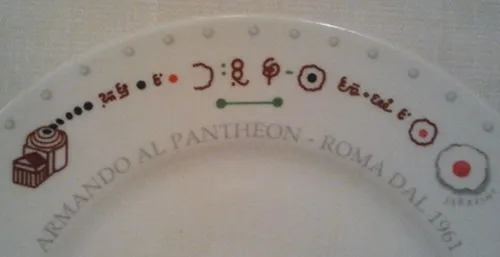
Even better yet, it was served on plates designed for the restaurant by the loyal patron and Italian artist Luigi Serafini. The plate features a series of symbols, and as I haven’t (yet) had a psychedelic experience, it’s a little hard for me to grasp the meaning. Apparently, it equates a fried egg to the oculus of the Pantheon (which towers outside the window). According to Serafini, “the Egg is eggsactly the beginning of everything… so placing it at the end of the design shifts the Primordial Egg to the Center of the Universe, thereby bringing with it the Pantheon and consequently the Armando al Pantheon!” Well, there you go.
Sartorial Dominance
I love people watching, and drinking the coffee, and I can do both at the same time at Sant’Eustachio Caffè. Opened in 1938, where another cafe had been since the 1800s, it’s known for its carefully roasted 100% Arabica coffee. It’s in a charming little square, right behind Piazza Navona. John and I were sitting outside and this guy walked by. Or rather swaggered by. He was in his late 50s, bald, dressed all in black, wearing an exaggerated version of a priest’s hat, with very large pearl drop earrings, and the largest, most bulbous, shiniest, bright red shoes I’ve ever seen. These shoes by Rick Owens will give you an idea, but they are refined and minimalist by comparison.
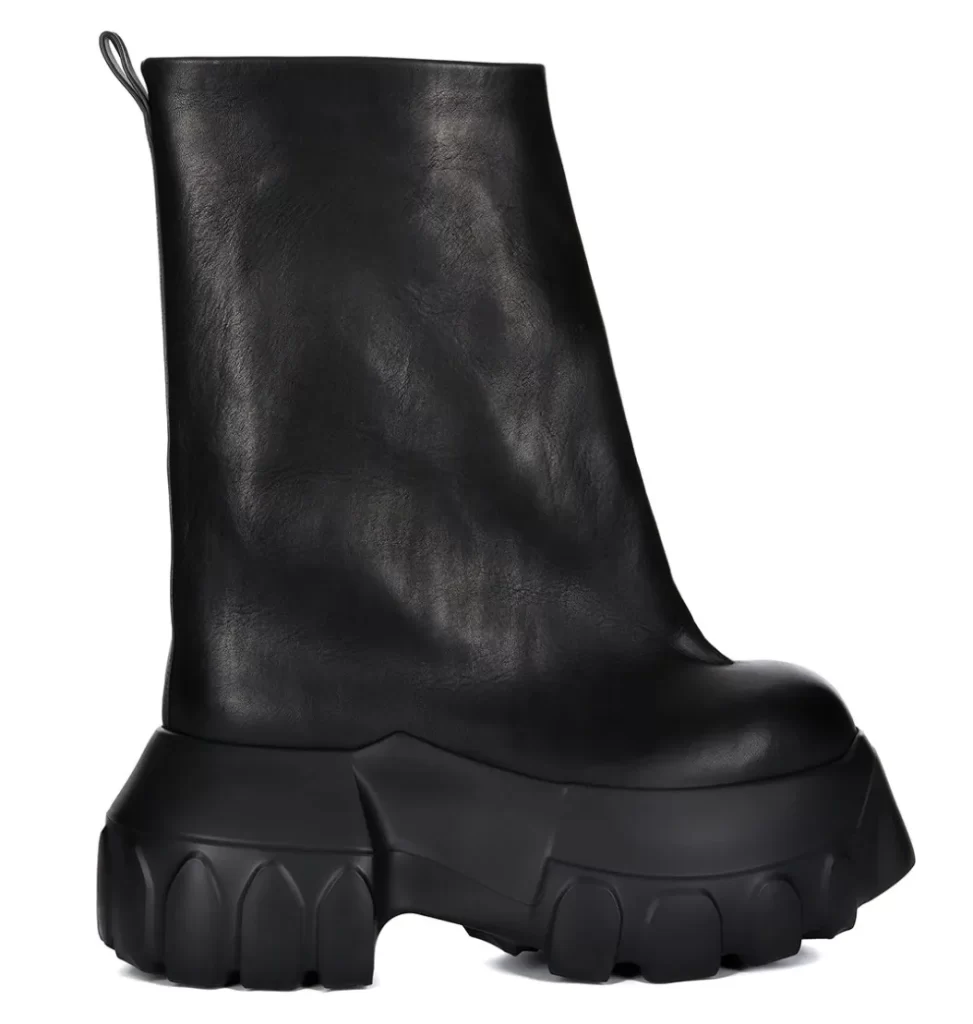
He was followed by an entourage of four people, struggling to keep up, and looking ready to snap to attention. Weirdly enough, the following day, we were walking near the Forum and saw all of them again. Same outfit, same strut, and same sycophants in his wake. John and I hesitated, unwilling to be that uncouth, then looked at each other and without a word took off in pursuit. All to get a photo for this article. Our moment of moral compunction cost us the shot as they were lost into the crowd.
Trevi
The fountain is back running, but now has a queue to get close. To get the best view (and photographs), go into the Benetton store, and up a floor. They have a small window overlooking the fountain with the perfect vantage point. Bonus info: if you get there on a Monday morning, around 9-10, you can see the municipal guys with the giant vacuum cleaner sucking coins out of the fountain.
Fooled
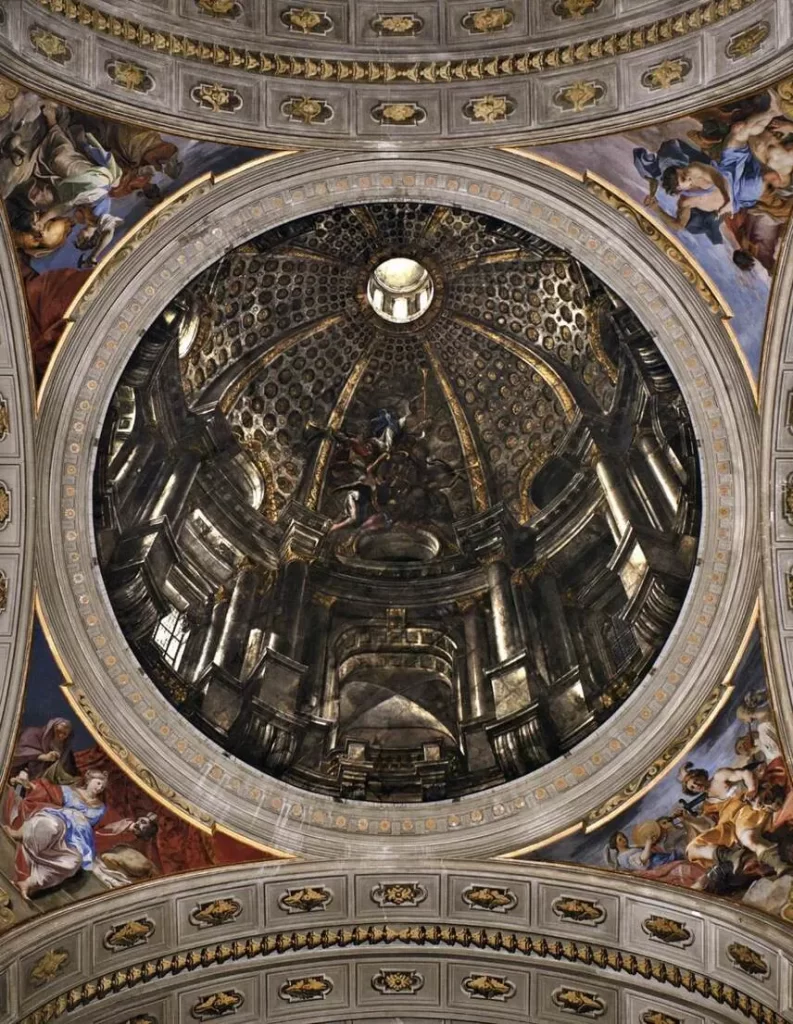
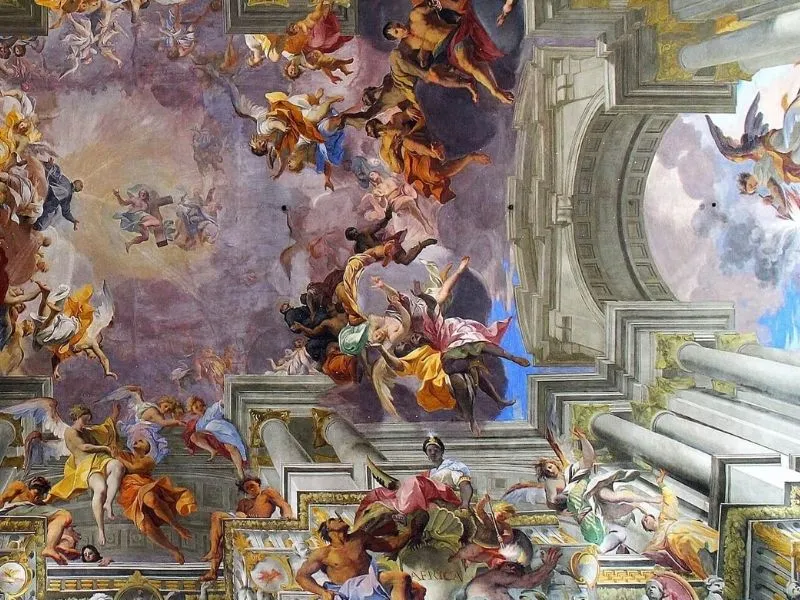
I love it when you happen into just another glorious Baroque Roman church and there’s a secret surprise. We were walking by Chiesa di Sant’Ignazio di Loyola, also very near the Pantheon, and decided to go in. There was a round mirror pointed upward, with a slot for inserting a Euro coin, so I did. Suddenly the whole dome lit up. But it is not a dome. It’s a very clever trompe l’oeil painting of a dome done by priest Andrea Pozzo in 1685, after the Jesuits ran out of money to build a real one. The oculus (never thought I’d have a reason to use that word twice in one post) is off-center, making the whole thing even more disconcerting. The rest of the decoration isn’t bad either. Here’s a small detail from the huge vaulted ceiling of the nave.
A Man and a Moustache
I like to visit less well-known museums, and Palazzo Altemps (part of the National Roman Museums) was just around the corner from the hotel. It’s in a stunning palazzo, built in the 1400s on a foundation from the 1200s, wrapped around a beautiful central courtyard, with an interesting collection.
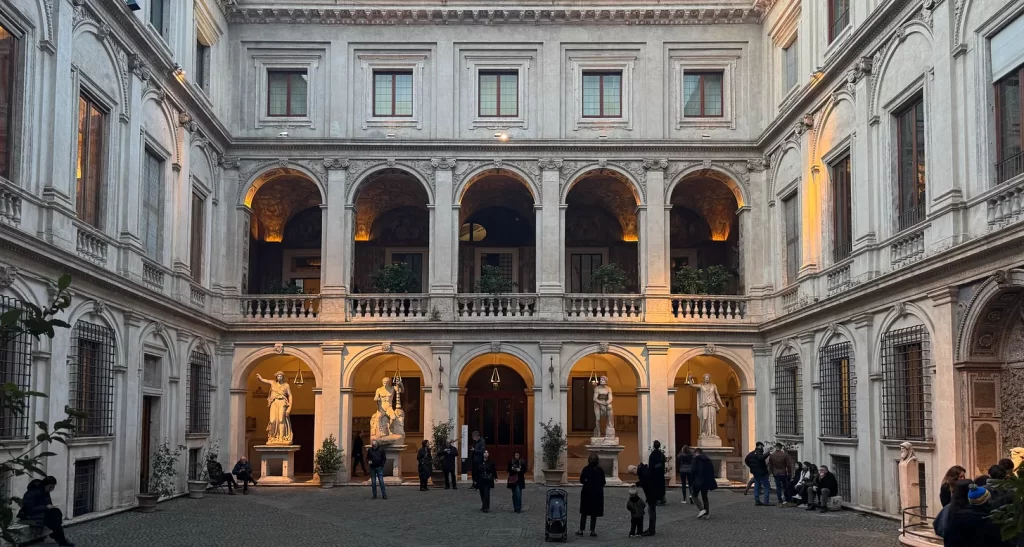
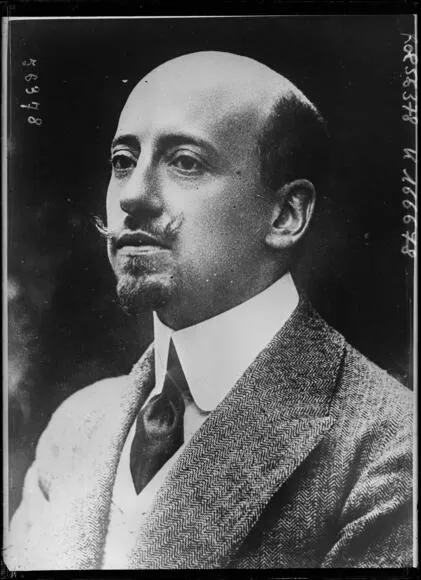
But I got caught up in a footnote about the place. Sebastian had written an amusing Substack about Gabriele D’Annunzio just before our visit to Rome. As any good Italian boy, Sebastian has studied his works, which are considered national treasures. As Sebastian writes: “Later, he will be called the Italian Shakespeare, by someone who should read more Shakespeare.” He wrote about the decadentism of the upper bourgeoisie, and seemed to know it well, as he was a famed womanizer, among other womanizer-adjacent decadent things.
I was standing in the stunning palazzo, surrounded by heaps of fine art, and I saw the private chapel, with a sign saying it was where d’Annunzio married the daughter of the palazzo’s owner in a shotgun wedding in 1883. Isn’t it beyond lucky that he just happened to meet and fall madly in love with the daughter of one of the richest men in Italy! I mean, what are the chances? The marriage only lasted seven years, but produced three children. He went on to father two more with other lovers. He did have a fabulous moustache.
Why not?
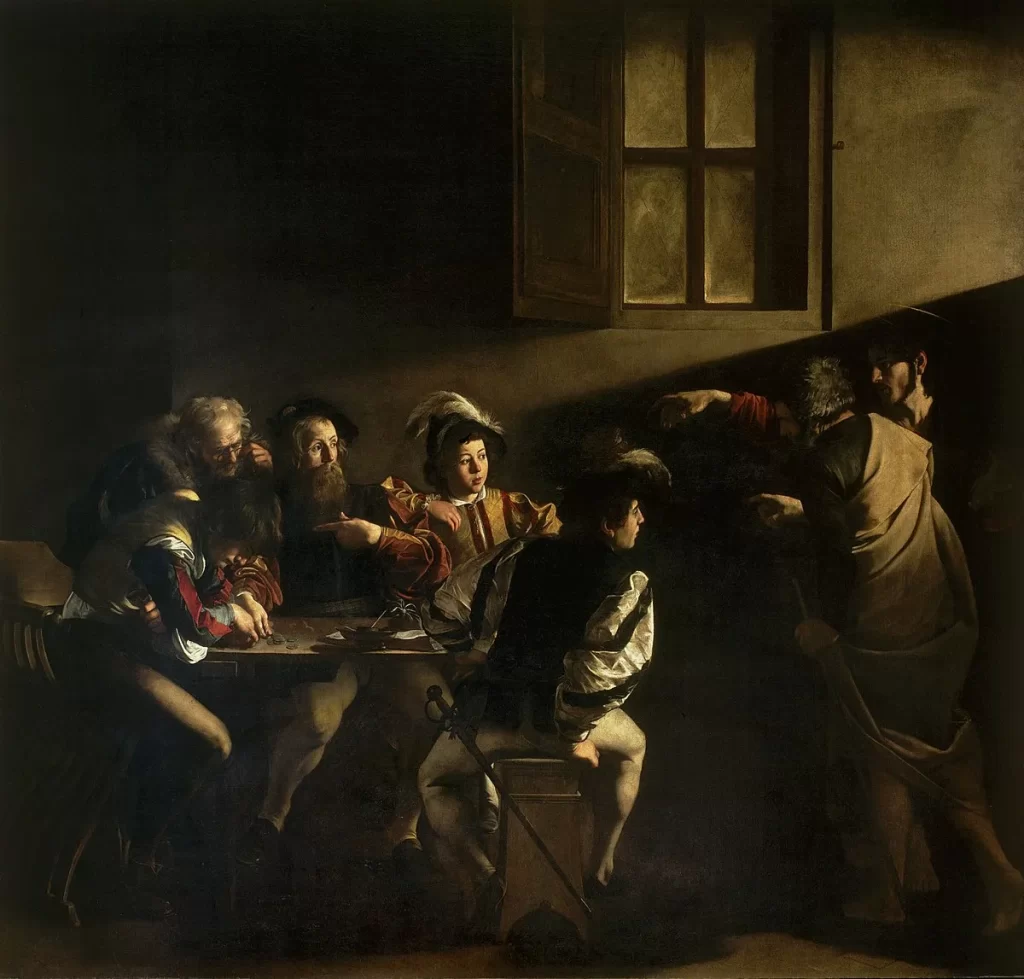
And for free, and no lines, you can stop off at the church of San Luigi dei Francesi, to see three of Caravaggio’s most famous works, all about St. Matthew. Here’s a great analysis of the one I loved the most, The Calling of St. Matthew. Blew my socks off.
Basic notes
Rome is almost unbearable when it’s hot and crowded. If Rome is on your once-in-a-lifetime list, and you can only go in August, then book any tours for first thing in the morning, or the last in the evening. See if there are night tours available. Splurge on air conditioning for your hotel room, and plan to take a long nap after lunch while the heat is at its fiercest. Don’t overcommit. I think it’s better to miss a thing or two but have a better time overall, with breaks in caffès, or trips to a garden, like the botanical garden or the Villa Borghese Gardens, where there might be some shade and breeze.
And for more to do in Rome, here’s another recent article (referenced above).


No Comments